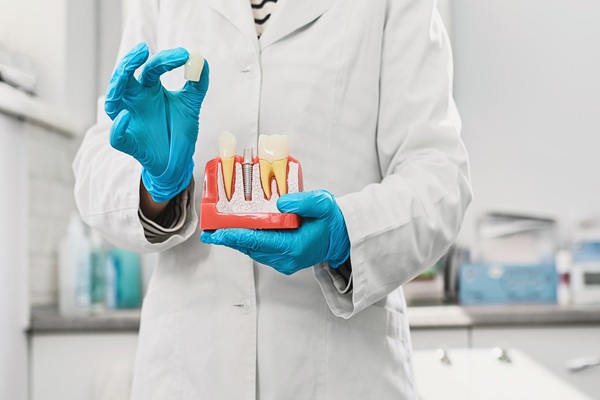
A dental implant is widely considered the tooth replacement solution that most closely resembles a natural tooth in durability, functionality, and appearance. However, like natural teeth, dental implants require diligent and consistent care to ensure longevity. Incorporating proper dental implant care into your oral hygiene routine can prevent complications and keep your smile healthy for years.
Why Dental Implant Care is Important
Dental implants mimic natural teeth, with a titanium post acting as the tooth root and a crown as the visible portion. While dental implants are highly durable and resistant to decay, the surrounding gums and bone tissue require attention to prevent issues such as peri-implantitis, an infection similar to gum disease that can lead to implant failure. Proper care helps maintain the health of the gum and bone tissues so the dental implant remains securely in place.
Daily Care for Dental Implants
Brushing Your Implants
Brushing is the foundation of any oral hygiene routine, and dental implants are no exception. Use a soft-bristled toothbrush and non-abrasive toothpaste to clean the implant crown, abutment, and surrounding gum tissue twice daily. Using an abrasive toothpaste or hard-bristled toothbrush could increase the risk of scratching the implant surface, which could attract plaque buildup.
Flossing Around Implants
Flossing removes debris and plaque from areas a toothbrush cannot reach. Therefore, flossing around dental implants is especially important to protect the gums and prevent inflammation. Special implant-specific floss, such as unwaxed or threader floss, can clean around the implant base and underneath the crown. This daily flossing helps ensure areas around the dental implant remain free of harmful bacteria.
Using Interdental Brushes and Water Flossers
For those with multiple dental implants or tight spaces between teeth, interdental brushes and water flossers can provide additional cleaning. Interdental brushes are small, flexible brushes that can effectively clean around implants and under bridgework. Water flossers use a pressurized stream of water to dislodge debris and plaque from hard-to-reach areas, making them an excellent option for patients with sensitive gums or mobility challenges.
Regular Professional Checkups
During routine dental cleaning visits, the dentist examines the implant site for signs of gum inflammation, bone loss, or other issues. Professional cleanings are also essential for removing tartar buildup that at-home care cannot address. Patients with dental implants should schedule checkups every six months or more frequently if recommended by their general dentist.
Healthy Habits to Protect Your Implants
Avoiding Hard or Sticky Foods
Though dental implants are strong, they are not indestructible. For example, chewing hard foods like ice or popcorn kernels can damage the crown or abutment. Likewise, sticky or chewy foods can stress the implant, increasing the risk of complications. Individuals can protect their dental work and extend its lifespan by choosing softer, implant-friendly foods.
Quitting Tobacco Use
Tobacco use can harm dental implants as well as oral health overall. Smoking and chewing tobacco reduce blood flow to the gums, impairing the healing process and increasing the risk of implant failure. Therefore, dental professionals strongly urge patients with implants to quit tobacco use.
Protecting Implants During Physical Activities
Individuals who participate in sports or physical activities should wear a mouthguard to prevent damage to dental implants. A general dentist's custom-fit mouthguards offer the best protection, as they are designed to fit securely and comfortably over the teeth and implants.
Maintain a balanced diet
A nutritious diet supports overall oral health and can aid in maintaining the health of dental implants. Foods rich in vitamins and minerals, such as calcium and vitamin D, help strengthen the jawbone and gum tissue. Incorporating leafy greens, dairy products, lean proteins, and fruits into one's diet provides the nutrients necessary for a healthy mouth. Drinking plenty of water to stay hydrated and wash bacteria from the mouth is also crucial.
Recognizing Signs of Potential Problems
Complications are rare, especially with proper oral care. Still, they can happen, and knowing what to look for is important.
- Redness, swelling, or tenderness around the implant site
- Bleeding gums while brushing or flossing
- A feeling of looseness in the implant
- Persistent bad breath or a bad taste in the mouth
Patients who notice these symptoms should schedule a dental appointment promptly to address the issue and prevent further complications.
Supporting your oral health with dental implants
Proper dental implant care is essential for ensuring their long-term success and protecting your overall oral health. Consistent brushing, flossing, regular dental visits, and healthy habits can help you enjoy the full benefits of your dental implants. Call our team today to learn more.
Request an appointment here: https://atlantapamperedsmiles.com or call Pampered Smiles at (404) 891-9489 for an appointment in our Atlanta office.
Check out what others are saying about our dental services on Yelp: Dental Implants in Atlanta, GA.
Recent Posts
A bone grafting procedure involves the restoration of lost jawbone, which is necessary before dental implant placement if the patient does not have enough healthy jawbone to support the implant long-term. This review discusses dental bone grafting for the purpose of restoring lost jawbone ahead of dental implant placement.Not every dental implants patient requires bone…
Studies show that dental implants remain the gold standard in dental restorations. These dental replacements are the most stable ones that you can get. It may be invasive, but once it heals well, you will have good dental function again. Here are the details about the process of getting dental implants.The dentist will examine the…
Dental implants are long-lasting, permanent tooth replacements. They are a popular choice among patients for their durability and ability to look and feel like natural teeth. However, dental implants are an investment, and they should be cared for as such. Follow the tips below to help extend the life span of your implants and prevent…
Dental implants are permanent solutions to missing teeth. It is a big decision to get these dental restorations because of the implant surgery. It may be an invasive process, but the results can last for a long time. Your dentist can help you go through this procedure and guide you through your recovery. Here are…